


Our Approach
This work begins with recognizing that we, as the settlement sector, support newcomer settlement on lands taken without consent.
The rightful stewards of these lands have never relinquished their connection, responsibility, or sovereignty.
This acknowledgment is not symbolic – it is a call to action.
We must move with integrity and reckon with the systems we are part of, the histories we inherit, and the futures we help shape.
As members of a settler organization, AMSSA staff, along with other settlement service providers, have a responsibility to learn about the true history of these lands and to take action toward decolonizing our organizational practices and culture.
Truth and Decolonization
AMSSA is dedicated to providing resources related to Indigenous Truth and Decolonization for newcomer-serving agencies.
We begin with the understanding that a deep grounding in truth is essential before moving toward decolonization.
Summary of the Final Report of the TRC of Canada (2015)
Learning Through Truth
In collaboration with Indigenous leaders, AMSSA has developed resources that deepen awareness of Indigenous history, culture, rights, and worldviews.
These materials support settlement service providers in understanding that we work on unceded and occupied territories, introduce Indigenous worldviews and ways of knowing, and offer guidance on how to centre Indigenous presence in their work and relationships with newcomers.
Moving Toward Decolonization
Building on our understanding of truth, we must take action toward decolonizing our practices.
The final report of the TRC asks an important question:
Summary of the Final Report of the TRC of Canada (2015)
At AMSSA, our commitment to decolonization is an ongoing practice of listening, accountability, and action. We walk alongside Indigenous peoples and are guided by Indigenous voices, knowledge systems, and approaches.
At the same time, we recognize that the responsibility for change cannot rest with those who have been systematically marginalized and who continue to experience the impacts of colonialism. As beneficiaries of colonial systems, settlers and settler organizations must take responsibility for challenging and transforming the structures that uphold colonialism.
Decolonization is not an add-on to our work—it is an urgent and foundational responsibility that asks us to re-examine how we live, lead, and belong on these lands.
“Decolonization is like a wave. It is not a linear process. It is a journey of unlearning and relearning… You are never at the end of your journey with decolonization.”
— JB Webster
Contact
If you would like to discuss AMSSA’s approach to Truth and Decolonization or our related resources, please contact Rebecca Ferguson-Salamin at rferguson@amssa.org.
Indigenous Advisory Council
Indigenous-focused work must be guided by Indigenous voices, knowledge systems, and approaches.
To support this, AMSSA convened an Indigenous Advisory Council to provide guidance, insight, and accountability for our Truth and Decolonization work.
“If you want to learn how to live here in a good way, ask the people who have lived here for 10,000 years.”
— Elder Norm Leech
We are grateful for the wisdom and time that the Elders of the Indigenous Advisory Council share with AMSSA and the sector. We recognize that the responsibility to translate that vision into practice and take action rests with us.
As an organization, we are committed to honouring their generosity by acting with care, fulfilling our commitments, and carrying this guidance forward in our work.
Council Members

The Canoe Metaphor: Our Roles and Responsibilities in Rebuilding Relationships
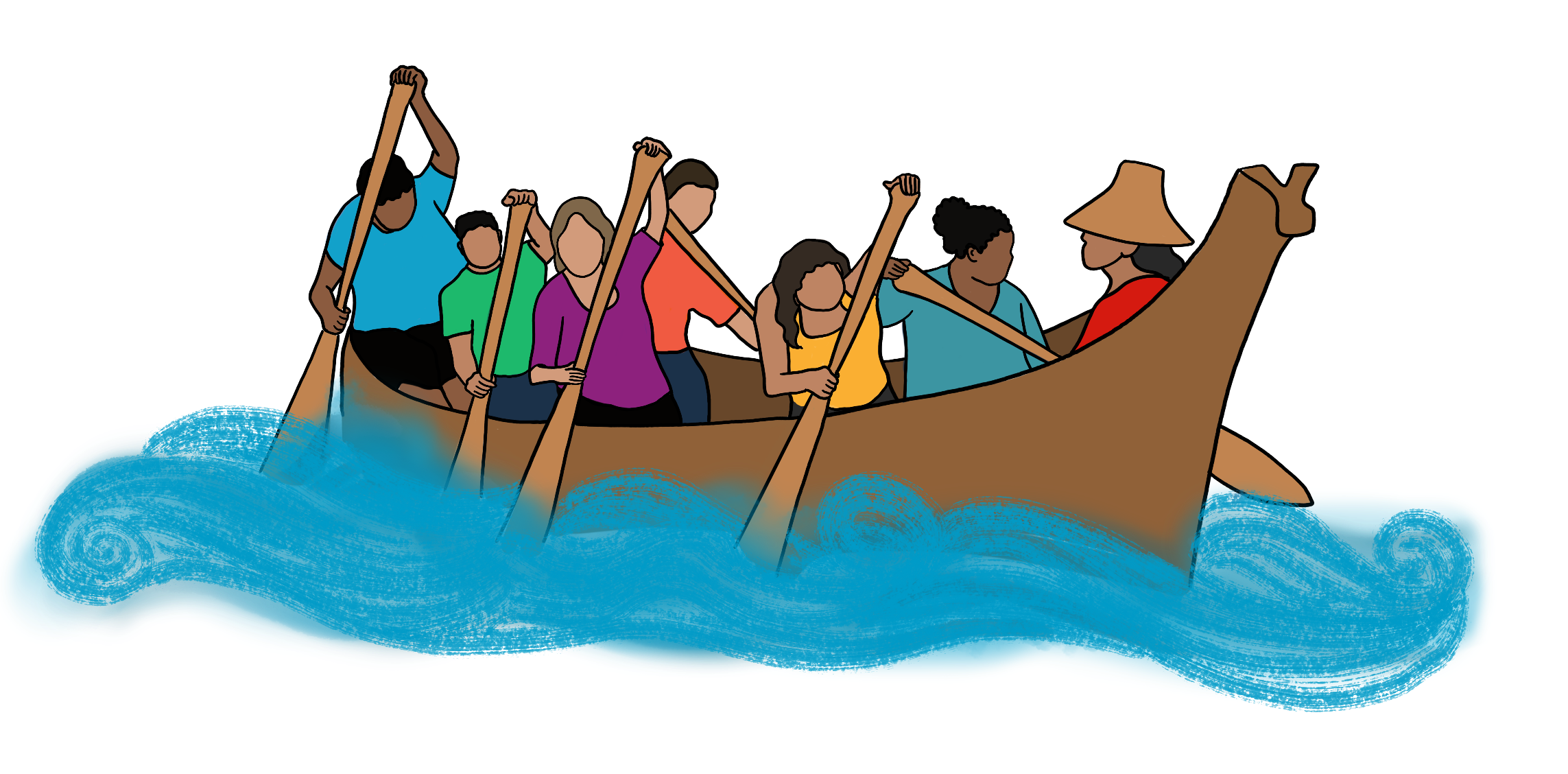
In our conversations with the Indigenous Advisory Council, the canoe emerged as a powerful metaphor for the journey of decolonization.
Decolonization and reconciliation are not the work of one person or one community. They require each of us to know where we sit in the canoe and what role we are playing—settlement workers, funders, community members, Elders, newcomers, and organizational leaders.
A canoe does not move forward by the effort of one person alone. It requires many paddlers, each with a role, rhythm, and responsibility. The canoe moves forward when these roles are understood, respected, and balanced rather than siloed or imposed.
This is not a hierarchy, but a reflection of different responsibilities, rhythms, and vantage points.
Indigenous Elders & Knowledge Keepers
Navigators at the Bow and Stern
- Elders are positioned with perspective, some at the front of the canoe pointing out what lies ahead, and others at the back steering with memory, teachings, and lived experience.
- They guide the direction of the work through relational insight and cultural grounding.
- It is not their responsibility to paddle hard for everyone else. They offer vision, clarity, and reminders of our responsibilities.
Funders
Suppliers of Provisions and Balance-Keepers Near the Centre
- Funders are in the heart of the canoe, holding weight and responsibility.
- Their support must be steady, not sudden movements that destabilize the whole group.
- When funders listen to direction from Elders and paddlers, they help distribute resources in a way that keeps the canoe balanced and moving forward.
- If funders pull too hard in their own direction or expect outcomes without rhythm, they risk tipping the canoe.
Service Provider Organizations (SPOs), Including AMSSA
Paddlers in the Middle
- SPOs are actively paddling and working to move things forward alongside others.
- They translate vision into action while navigating pressure from behind and listening to guidance from ahead.
- Their role is to paddle in rhythm with others and create cohesion across the canoe.
- AMSSA, as an umbrella organization, helps coordinate rhythm across the sector.
Newcomers to BC
New Paddlers Joining Mid-Journey
- Newcomers are learning how to paddle while already on the river.
- They may not know the history of the land or the canoe’s journey so far, but they bring wisdom, resilience, and lived experience.
- With time, they become paddlers who contribute meaningfully as they learn the rhythm and protocols of the canoe.
- Their presence reminds us to slow down, welcome, and teach so that the canoe can move forward together.
For more information on the Canoe Metaphor, please see AMSSA’s booklet Tending to the Disconnect.
Key Terminology
Our use of terminology is guided by the teachings, relationships, and knowledge that have been generously shared with us.
Language is not fixed. It is living, subjective, and shaped by place, community, and ongoing learning.
The terms we use reflect our current understanding and commitments while recognizing that our language will continue to evolve as we deepen relationships, expand learning, and remain accountable to Indigenous Elders and knowledge keepers.
Decolonization
AMSSA intentionally prioritizes the use of the term decolonization, rather than reconciliation.
Guided by teachings from Elder Norm Leech, we recognize that reconciliation assumes there was a relationship to reconcile. However, colonial laws, institutions, and systems were imposed rather than developed through reciprocal relationships.
Decolonization begins with recognizing that many of the systems, structures, and ways of working that shape our society today have been influenced by Colonia histories and continue to impact how privilege, resources, relationships, and decision-making are experience.
For AMSSA, decolonization is not simply about improving relationships with Indigenous communities, nor is it a separate stream of work. It is an ongoing commitment to examining the assumptions, practices, and systems that influence how we work and who benefits from those approaches. It asks us to consider whose voices are heard, whose knowledge is valued, and how decisions are made.
This lens encourages a shift from transactional, extractive approaches toward ways of work that are grounded in reciprocity, relationship, shared responsibility, and respect for diverse ways of knowing and being.
Rather than a destination, decolonization is a continuous learning journey that helps create the conditions for stronger relationships, more responsive systems, and communities where all people can participate, contribute, and belong.
Indigenous
Indigenous refers to the original peoples of particular lands.
In Canada, the term refers collectively to First Nations, Inuit, and Métis peoples.
The term recognizes the relationship between people, place, language, culture, and belonging.
“If you want to learn how to live here in a good way, ask the people who have lived here for 10,000 years.”
— Elder Norm Leech
Understanding Indigenous peoples is not only a matter of definition—it is a commitment to centring Indigenous knowledge, authority, and lived experience.
First Nations
First Nations peoples are land-based Nations that trace their heritage and governance systems to their traditional territories.
The term includes both status and non-status First Nations peoples and may also refer to specific Nations or communities.
Inuit
Inuit are the Indigenous Peoples primarily living within Inuit Nunangat.
Inuit Nunangat encompasses four regions: the Inuvialuit Settlement Region, Nunavut, Nunavik, and Nunatsiavut.
These lands comprise a significant portion of Canada’s land mass and coastline.
Métis
Métis are a distinct Indigenous people with their own cultures, languages, traditions, governance systems, and territories.
Métis communities emerged through unique historical relationships and developed their own collective identity over generations.
Avoid Possessive Terminology
When referring to Indigenous Peoples or Indigenous Advisory Councils, avoid possessive language such as:
- “our Indigenous partners”
- “our Indigenous communities”
- “Canada’s Indigenous peoples”
Such language can unintentionally reinforce colonial assumptions of ownership and belonging.
Indigenous Nations are sovereign peoples and Nations with their own identities, governance structures, histories, and relationships.
Good Practice:
Use language such as:
- Indigenous Peoples
- Indigenous Nations
- First Nations, Inuit, and Métis Peoples
- The Indigenous Advisory Council
Government Commitments and Legislative Context
AMSSA’s Truth and Decolonization work is situated within the Government of Canada and the Province of British Columbia’s broader commitments to reconciliation, anti-racism, and systemic transformation.
These commitments provide an important foundation for organizations working alongside Indigenous peoples and communities. They recognize the need for truth-telling, Indigenous rights implementation, systemic change, and accountability across public institutions and service sectors.
Federal Commitments
The United Nations Declaration on the Rights of Indigenous Peoples Act (2021) affirms the United Nations Declaration on the Rights of Indigenous Peoples (UNDRIP) as a universal human rights instrument in Canadian law and commits the Government of Canada to aligning federal legislation with Indigenous rights, in partnership with Indigenous peoples.
These commitments are reinforced through the Truth and Reconciliation Commission of Canada’s Calls to Action, which outline concrete actions required to advance reconciliation across sectors.
Calls to Action Relevant to the Settlement Sector
- Calls to Action 93 & 94 – Newcomer education and awareness
- Call to Action 57 – Public service education and training
- Calls to Action 43 & 44 – Recognition and implementation of Indigenous rights
Together, these commitments highlight the responsibility of governments and institutions to support truth-telling, advance Indigenous rights, and ensure that policies, programs, and services reflect the histories, rights, and ongoing realities of Indigenous peoples.
Provincial Commitments
British Columbia reinforced its commitment through the Declaration on the Rights of Indigenous Peoples Act (2019), which establishes UNDRIP as the Province’s framework for reconciliation.
The Act calls for the alignment of provincial laws, policies, and practices with Indigenous rights, including self-determination, participation in decision-making, and recognition of Indigenous knowledge systems.
Declaration Act Action Plan
Reconciliation requires ongoing dialogue, partnership, and shared responsibility. These commitments call not only for policy change, but for transformation in how organizations operate, make decisions, and deliver services.
In British Columbia, all ministerial mandate letters emphasize that every Minister has a responsibility to advance reconciliation, implement the Declaration on the Rights of Indigenous Peoples Act, and work in partnership with First Nations rights-holders.
The Anti-Racism Act (Bill 23, 2024) further affirms the Province’s responsibility to address systemic inequities and advance inclusive systems while recognizing Indigenous-specific systemic racism and Indigenous rights within broader anti-racism efforts.
Decolonizing Resources: Organizational Relationships, Culture, Practices & Structures
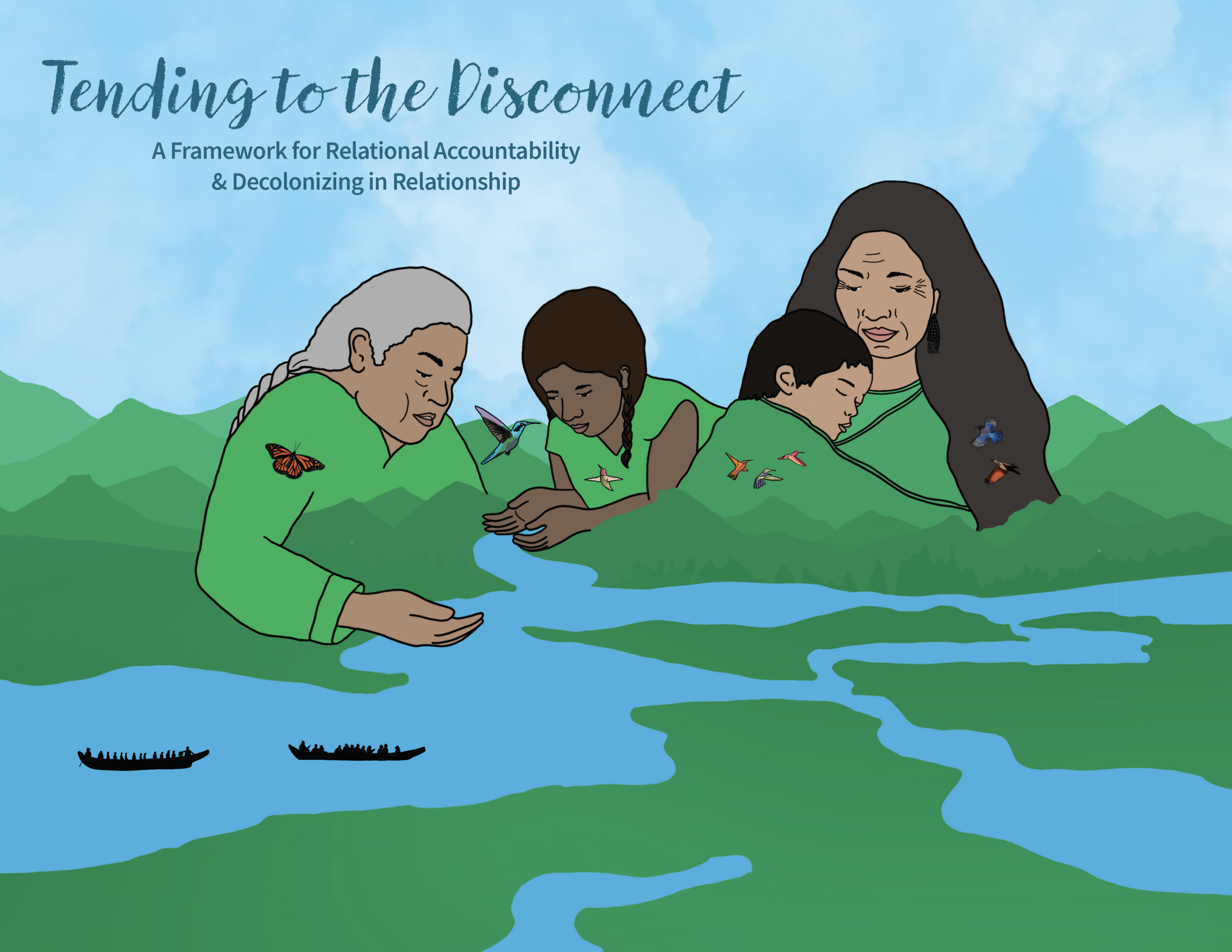
‘Tending to the Disconnect: A Framework for Relational Accountability & Decolonizing in Relationship ’ booklet is a booklet that acknowledges and explores the connections, barriers, and shared responsibilities that shape relationship-building between Indigenous communities, settlement organizations, funders, and newcomers. It examines the grief caused by colonialism, while also recognizing the possibility of hope as a deliberate act of care.
To support us in moving forward, the booklet clearly outlines the roles and responsibilities we each hold in our shared journey of relationship-building and decolonization. The booklet also highlights the ways in which Indigenous worldviews and teachings can guide us to more effectively welcome and support newcomers arriving on these lands.
The booklet concludes with Calls to Action that encourage funders, organizations, and individuals to shift from learning to doing.
This foundational resource also serves as a lens for AMSSA’s ongoing journey with decolonization, grounding the organization’s work in relational accountability and shared responsibility.
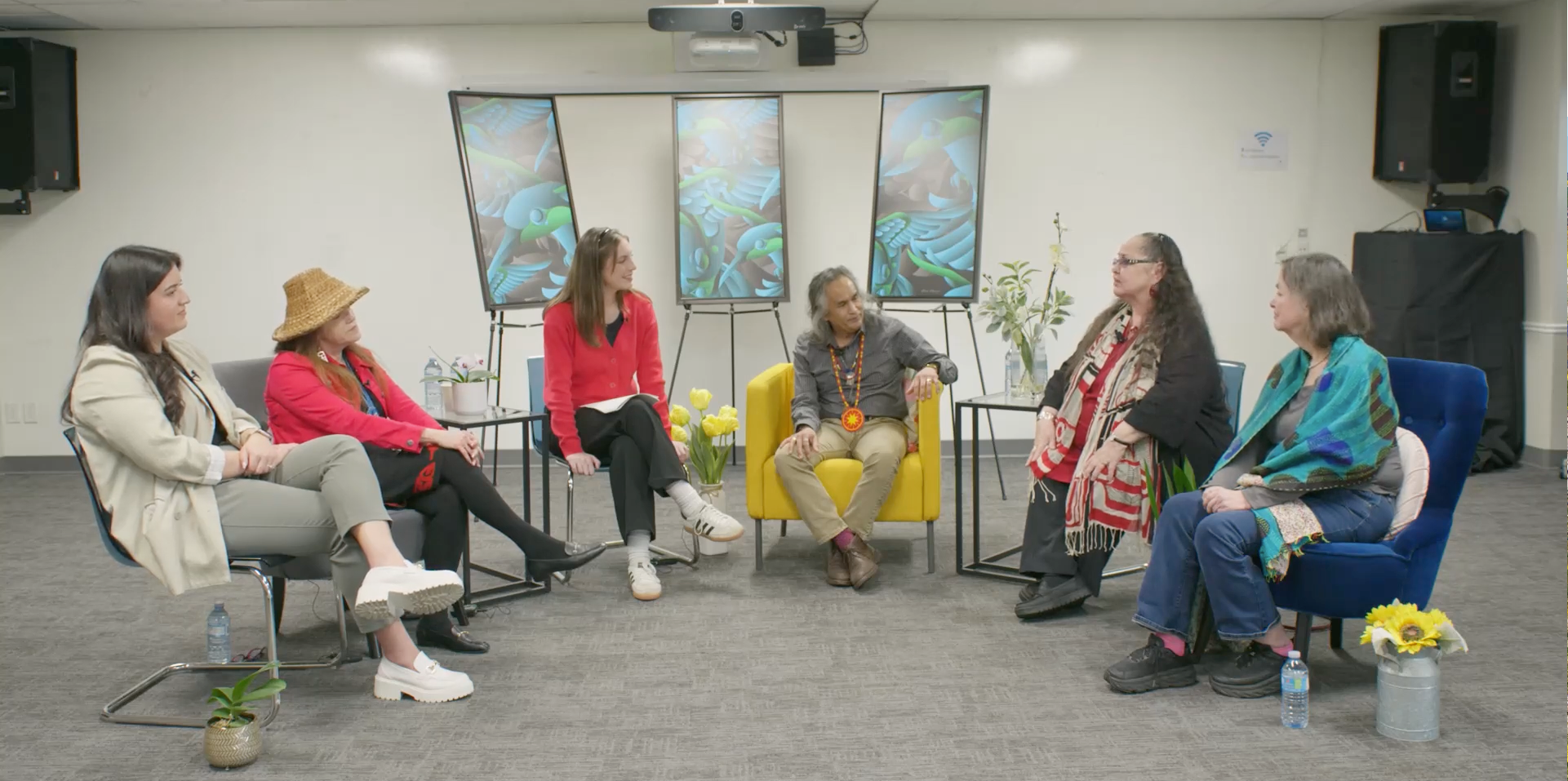
AMSSATalk: Indigenous Leaders Circle invites organizations to reflect on how colonial systems shape workplace culture and what becomes possible when Indigenous worldviews guide transformation.
This conversation highlights practical strategies that organizations can implement, exploring how cultural transformation strengthens decolonized policies and brings them to life in everyday practice. Speakers share concrete examples, lived experience, and guiding philosophies that help organizations move from intention to action while adapting the work to their own contexts.
Three core themes guide the dialogue: why decolonization is needed, why cultural transformation must accompany policy change, and where organizations can begin.
Participants include Elders Glida Morgan (Tla’amin Nation), Mary Point (Musqueam Indian Band), Sharon Jinkerson‑Brass (Key First Nation, Treaty 4), and Norm Leech (T’it’q’et, St’át’imc Nation), along with guest speaker Eva Habib from Len Pierre Consulting. The conversation was facilitated by AMSSA’s Rebecca Ferguson‑Salamin.
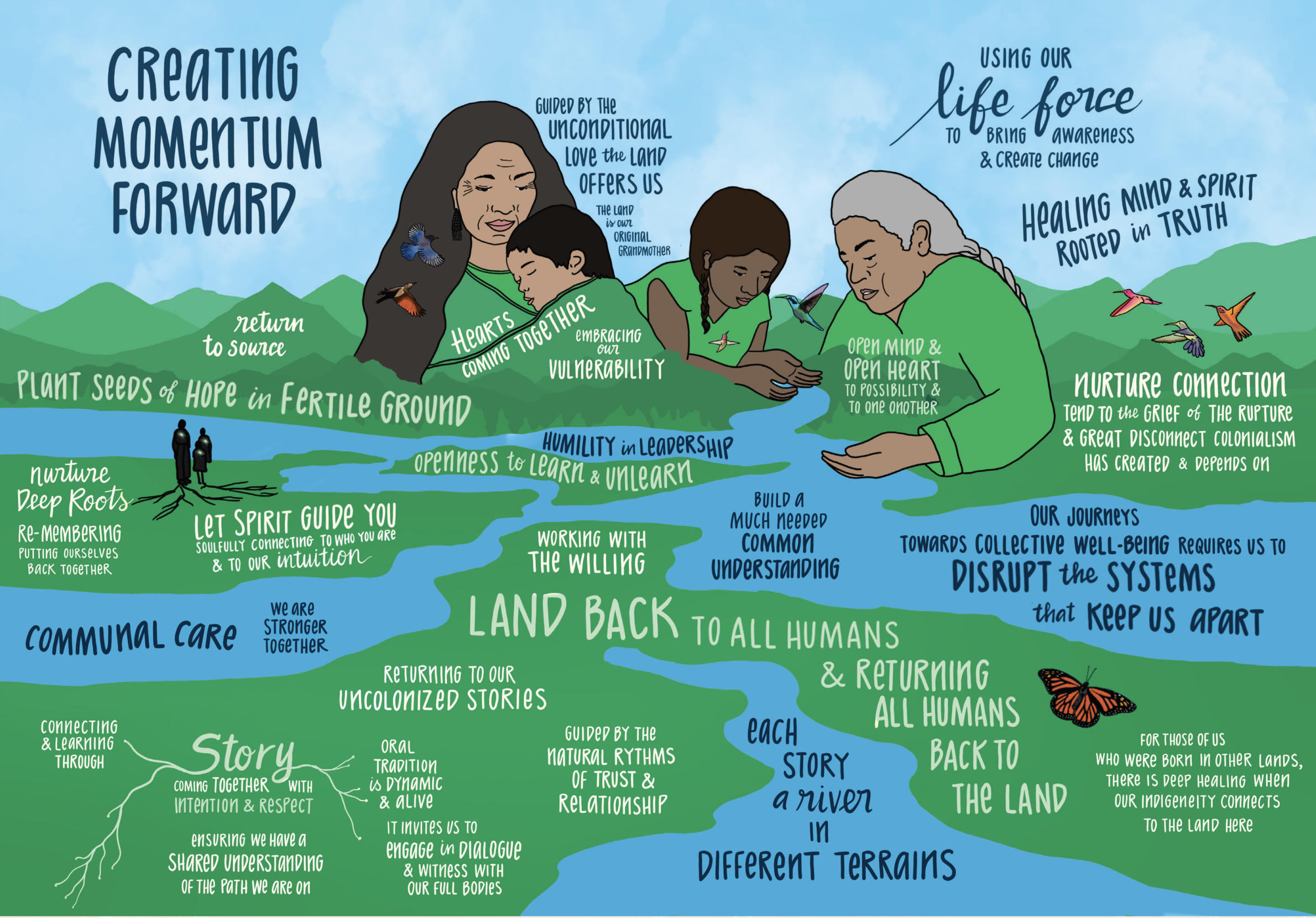
Two accompanying resources extend this learning: a toolkit for internal organizational conversations and a graphic illustration that visually captures the teachings and themes shared during the Indigenous Leaders’ Circle.
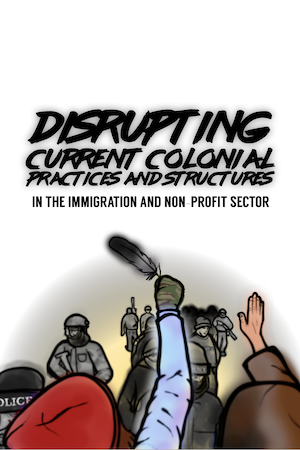
AMSSA Booklet: Disrupting Current Colonial Practices and Structures in the Immigration and Non-Profit Sector is a living, practical tool to activate settler reflexivity as a currently missing step in the centering of Indigenous presence and Indigenous knowledge when confronting current colonialism
Truth Focused Learning: Indigenous Histories, Worldviews & Experiences

E-Learning Course: Decolonize Yourself – Connecting to Your Indigeneity is an e-learning in which the Settlement Service Providers are invited to consider the topic, ‘Decolonize Yourself – Connecting to Your Indigeneity’.
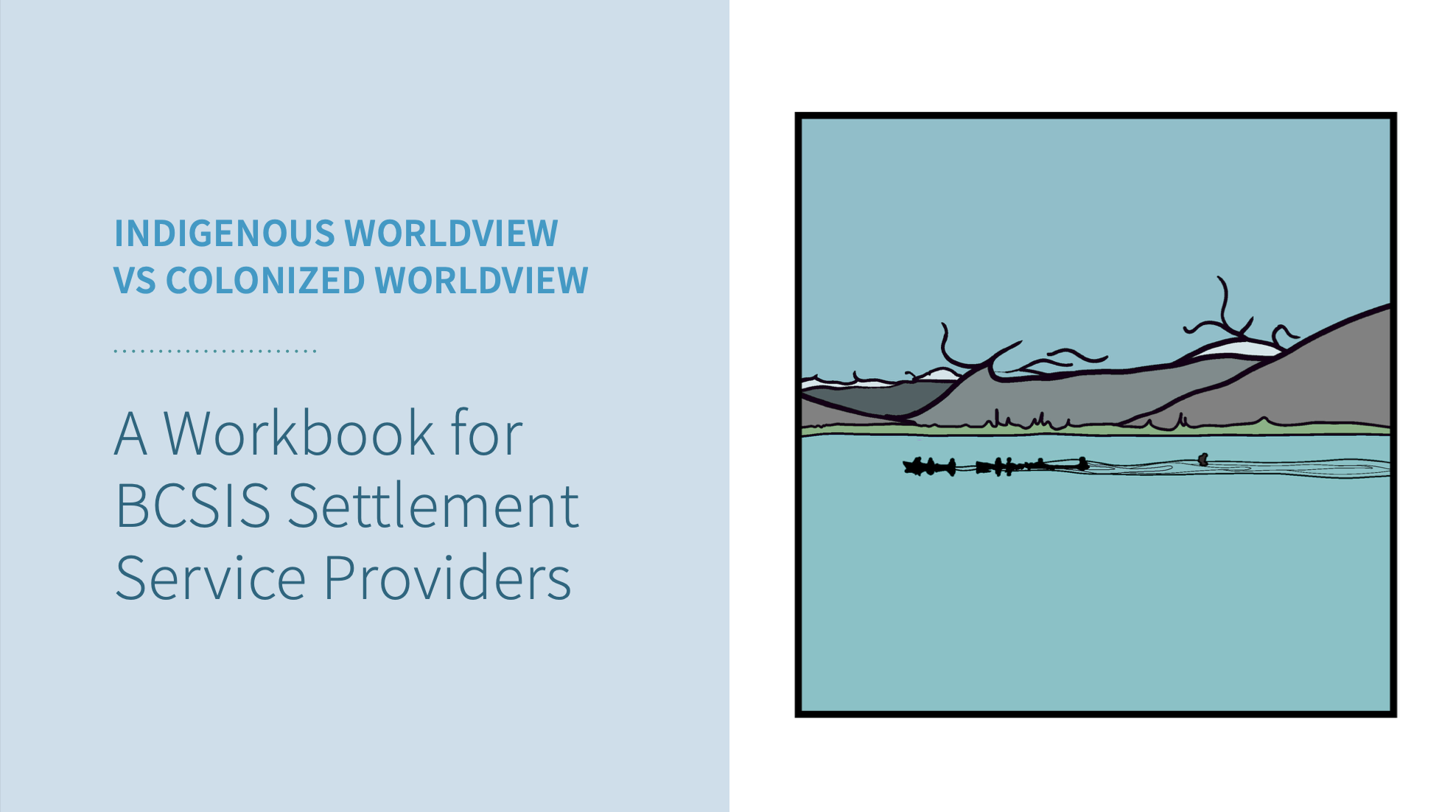
E-Learning Course: Indigenous Worldview vs Colonized Worldview is an e-learning in which Settlement Service Providers will be invited to consider the difference between an Indigenous Worldview and Colonized Worldview.

Indigenous Truth and Decolonization The Survivor Spirit, Documentary and Illustration explores the ‘Survivor Spirit’ concept, viewers will gain a deeper understanding of the interconnected concepts of intergenerational trauma and intergenerational strength

AMSSATalk: Indigenous Leaders’ Circle provides a space where Indigenous Leaders engaged in a dialogue about truth, reconciliation, and decolonization.
Place-Based Learning: Relationships & Responsibilities on Unceded Lands

Introducing Canada’s Newest Residents to its Oldest Peoples: Including First Nations and Aboriginal Content and Relationship-Building in Immigrant Settlement Services is an e-symposium to kick start the discussion on how immigrant settlement service providers can introduce immigrants to First Nations and Aboriginal culture, history, issues, and peoples. Many thanks to our presenters for sharing their time and knowledge with us.

Reflections on Belonging, Relationships, & Responsibilities in Musqueam, Squamish & Tsleil Waututh Nations is a lunch and learn webinar where cultural planner Kamala Todd shared her experience as a Metis-Cree living and working in the unceded territories of the Musqueam, Squamish and Tseil-Waututh Nations, and how to observe protocols in a territory different to that of her ancestors.
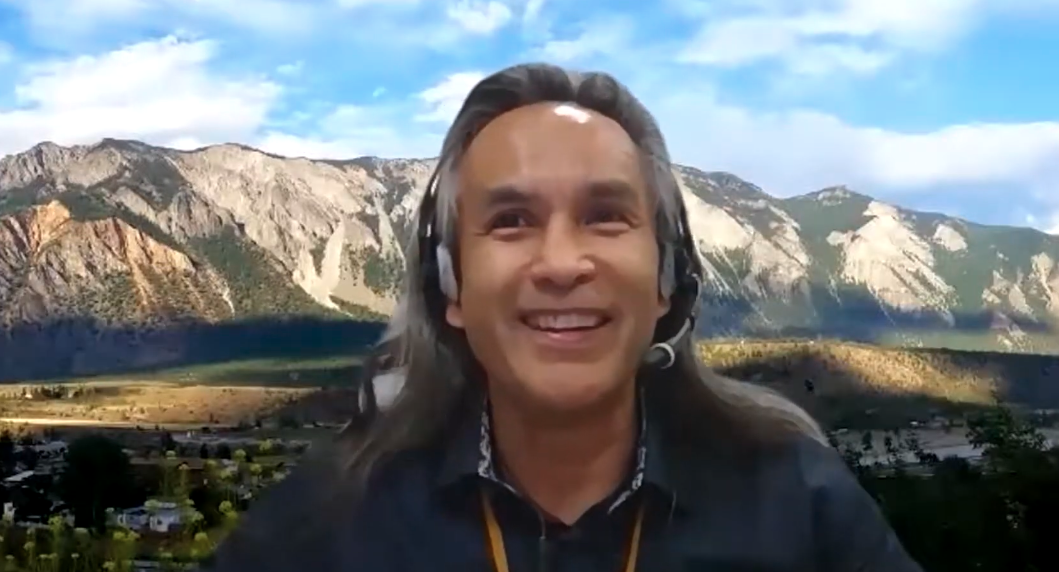
AMSSA Lecture: Working with Newcomers on Unceded Territory Part 1 & 2 is a two-part presentation where frontline workers and managers were encouraged to reflect on the past and seek commonality for a future together.

AMSSATalk: Climate Change, Displacement & Environmental Racism is for any settlement and integration staff wanting to learn more about the connections between climate change, service delivery and human rights
